


HONDAM
-
Posts
158 -
Joined
-
Last visited
Content Type
Profiles
Forums
Events
Store
Gallery
Posts posted by HONDAM
-
-
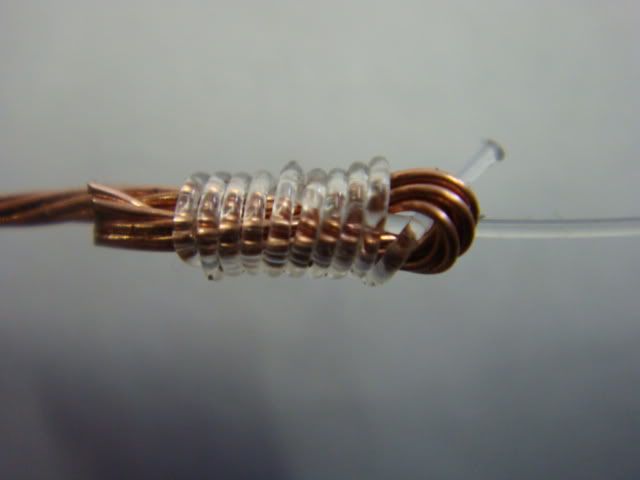
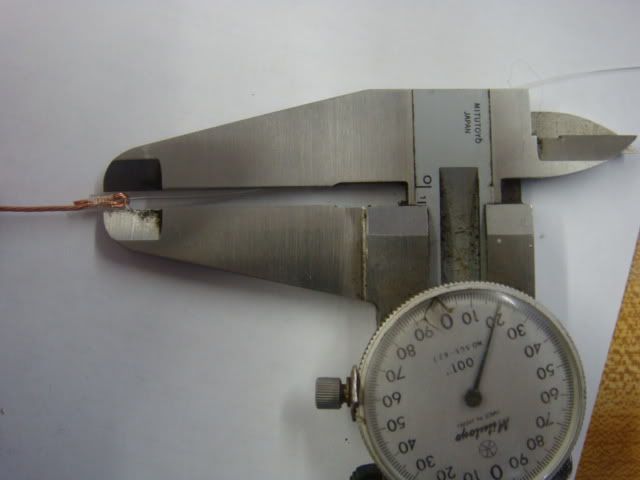
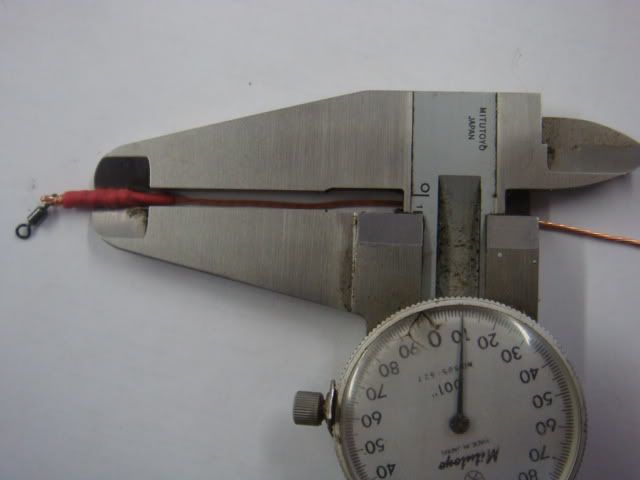
Below are some pictures of both the Albrite Knot and a Haywire Twist. I put the calipers to them this morning and here are the results.
Albrite Knot - .119"
Haywire Twist with srhink tubing - .109"
(These measurements vary knot by knot)
Not only is the Haywire Twist meathod smaller it is also stronger. I tied both knots in the same piece of copper and applied preassure and everytime the copper broken near the Albrite knot. I did this three times.
When running larger rotators or a fouled hook sometimes a twist can develope in the line. This can be catostrophic for copper line but if there is a ball bearing swivel in the line it will drastically reduce the chance of twisting the copper line.
One of the biggest advantages of the Haywire twist is the smooth leading and following edges. This is a lot better for the guides on the pole and reel and helps to prevent snags as the knot is passing through the guides. Having these smooth edges makes the size of the knot less of a factor. The Albrite has very sharp edges which can easily get hung up especially with the size of the knot.
The Alrbite knot works for a lot of people, im not trying to convert anyone just relaying why we tie the copper rigs this way.

-
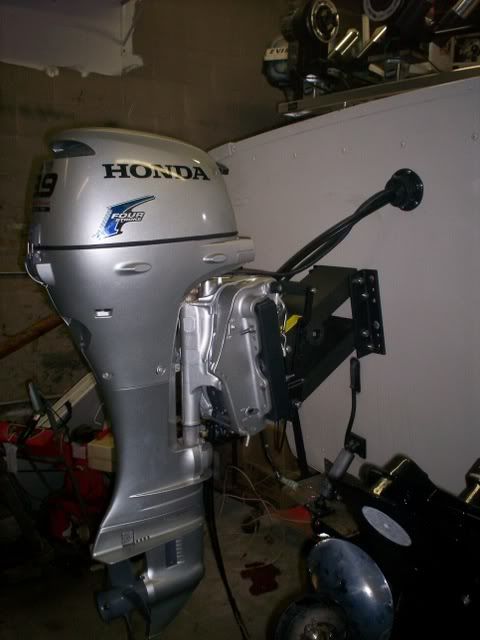
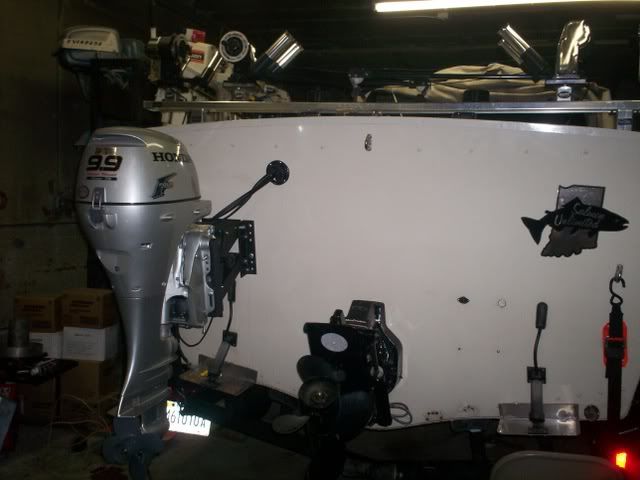
What he said, cavitation plate even or just below the bottom of the boat. The main thing is that you have to make sure that you can get it completely out of the water when underway, this is very important. If you have to mount it with cavitation plate above the bottom of the boat to do this then fine thats what you have to do. Also need to make sure that the kicker wont come out of the water when it gets rough, its kind of a balance that you have to make. The bracket usually have more then one set of holes incase your figures are off a little one way or the other but this is just a plan b, just in case.
Here is one i did a few years back on a different bracket.
-
That's right the leads are short and most of the time they are low power, no more than 5 amps or so.
It is generally not recommended to run everything back to the battery. You should have some sort or distribution block or fuse panel with one adequately size set of wires going to the battery.
-
This chart was published by Blue Sea Systems
There are many ways to figure which wire size to use I just like this on cause how easy and fast it is.
-
"What size wire do i need for..." This is a very common question and one a lot of people guess at but there is a meathod to choose best for safety and reliability. It is easy to do with a little bit of multiplication and a chart.
First you have to start with how much power you have to handle. Weather it is a single item or rigging up a fuse panel everything has a max amperage rating just add it all up. For this example lets say your rigging up a fuse panel and want it to be able to handle 30 amps.
Now you have to figure length. They call it a circuit for a reason the engery flows to and from the power source so if you just measure from the battery to the fuse panel one way and its 10 feet you have to double it to 20 feet to take into account the entire circuit there and back.
So you have 30 amps and 20 feet of wire. Multiple the two and you get 600.
Then you go to the chart.
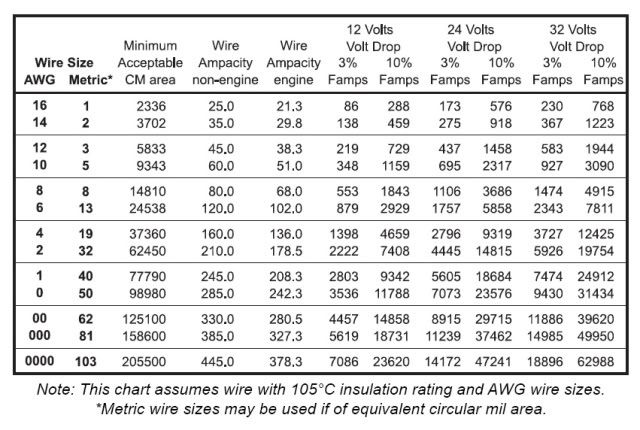
The rows that you are looking at are labels Famps and in most cases the 12 volt section. Now when your deciding weather to follow the 3% or 10% collums take into account what this circuit is being used for. This area is left up to some degree of interpritation. The 3% column is very critical items that immediately affect the safety of the vessal like running lights, bilge pumps, or the fuse panels that power them. The 10% column is for most other loads.
So say this fuse panel your wiring is powering your entire dash which include the switches for running lights and bilge pumps you follow down the 3% column until you get a number over 600 used in our example and you will need to use 6 gauge wiring. But say this fuse panel is only powring a stereo, fishfinder, some spreader or courtasy lights, nothing critical to your safety, then follow the 10% column and looks like 12 gauge is enough. Now this is a minimum for consideration just because the chart says 12 doesnt mean you cant step it up to 10 gauge.
Also after you have chosen your wire alway remember to fuse it, in this example we figured on 30 amps so i would put a 30 amp breaker in the line to protect against shorts.
I hope i didnt complicate it to bad and everyone understands, let me know if you have any questions.
-
It is definately worth the money to go to hydraulic if you have it, all together a complete conversion with autopilot is close to $5000. But you will have a system that can hold you on coarse in just about any weather and generally problems free.
Sportpilots i do not generally recommend, they work better on some boat then others but they have been making that style of unit for years and they claim to now have all the bugs worked out but i have heard that many times.
Somewhere in between is an octopus drive setup, much better performance and reliability then a sportpilot and still keeping your cable steering so saves you some money. Just take an octopus drive and pair it with a Garmin GHP-12 or Raymarine X-10 and this is closer to the $2700 ballpark range.
PS Sportpilots will definately sync with a Garmin GPS.
-
If you get caught in rough water with a hydrofoil it can break off the cavitation plate and then instead of saving you money it will cost you money. It doesnt happen very often but ive seen it done and it is a risk.
The biggest thing you can do to get the best economy is keep a clean bottom and the propeller in good condition.
Either that or get a boat with a 4 stroke outboard, but that will probably defeat the purpose of trying not to empty the wallet.
A good suggestion will be to get a fuel flow meter too, depending on what type of GPS/Fishfinder you have you might get need to buy a sensor and network it via NMEA 2000. This will help you dial in at what speed you get the best milage and you might be surprised. IF you buy a NMEA 2000 sensor it does not matter what manufacture makes the sensor because all NMEA 2000 equipment is universal and will work with any NMEA 2000 display.
Here is the one i have on my boat:
https://buy.garmin.com/shop/shop.do?cID=288&pID=11561
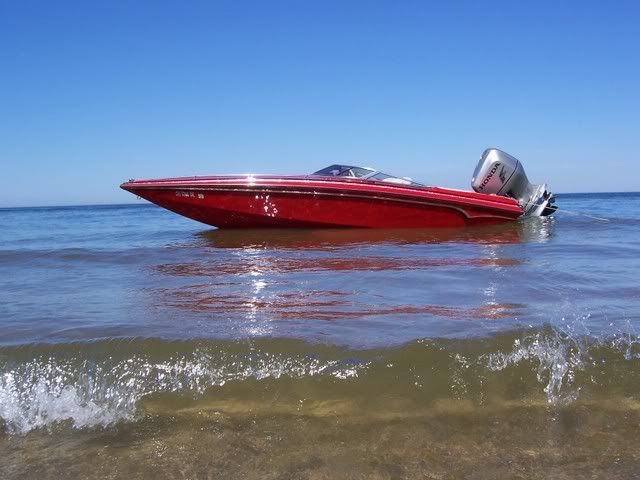
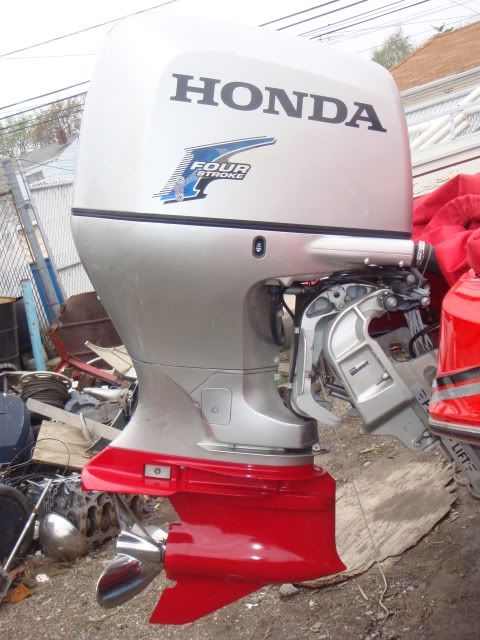
For example my ski boat as a 225hp V6 Honda and i will take it down the cal sag channel to downtown chicago from the obrien locks its about a 50 mile trip each way to where i was going. Before i get the sensor i would cruise about 30mph and use a little less then half a tank. Once i put the sensor on i found out that i was not saving any fuel going 30mph, that i could go 40mph(boat will do 70+) and still get close to 6mpg. Saved me a lot of time and didnt cost me anything. Also by looking at the numbers i was able to dial in the exact trim angle that got me the best economy. 100 miles on about 18 gallons and at that time about $50, wish my fishing boat would do that.
-
I'm new to the great lake fishing game, I'm in the process of setting up a lund 21' with a couple of down riggers. Just wondering what everyone recommends for a fish locator. What are the features I should be looking for while fishing on lake Superior? What are the advantages of Lowrance Vs. Hummingbird, and what is the best lake chip for Lake Superior?
It depends on your budjet, some of them are better then others at different price points. Although the price mentioned above is a steal on the best unit you can buy for $600 or less.
-
The hummingbirds are fairly easy, much easier then the lowrance.
-
I don't have a lot of experience using the structure scan even though I have installed dozens of them. My first time using one I took it out on lake Michigan and saw the ripples in the sand at about 20ft I was impressed. This was on a Humminbird 900 series and back before lowrance had come out with theirs.
-
It happens every once in a while I got a bad 300 series a couple weeks back.
-
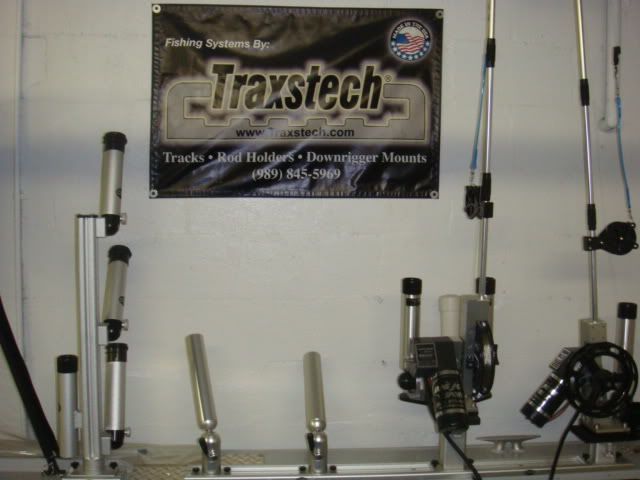
I like the traxstechs the best.
What traxstech bird trees are are just a vertical piece of track (different style then the gunnel mount track) that is about 2" square with a channel to put things in on 3 of the 4 sides.
The reason i really like this is because of its vertitility. I had his 3 position tree and on one side i had 3 rod holders, on another side i had a drink holder and on another side i had a net holder, all in 6" of track and was easily removable and swiveled on top of it. You just lift up on the whole unit and it swivels and locks every 90 degrees.
Here is a picture of one of the 3 positions with a net holder in it.
-
I agree with the torpedo tip, put them on a couple of my rods and have been very happy.
You can buy them on calumetmarine.com
Here is a link
http://calumetmarine.3dcartstores.com/Torpedo-Roller-Guide-Rod-Tip_p_391.html
-
I don't know when the last time some of you have used real herring but it is no longer messy. The strips are dry packed in salt instead of herring oil. They are easy, clean, and veryp effective.
I just take them out of the pack and run them but you can also get a sqeeze bottle with herring oil and oil them if you want but I don't think it's necessary the bait still has plenty of natural oil and scent in it.
You can get pure herring oil and strips on calumetmarine.com.
-
Order the strips from calumetmarine.com
Precut and certified VHS free. I believe it is on sale right now too $125 for a whole case of it.
-
Oh yeah frank has one he'd give you a great deal on.
Call calumet marine
708-906-9862
-
Garmin makes by far the best gps plotter on the marker, by very far.
Unless your looking for a combo the Garmin is the way to go.
-
In my opinion garbage.
Works great in the dark or on clear days, best radar there is for this purpose.
Absolutely worthless in heavy fog or rain. It just does not have to power to push throug the obstruction. What is the point of having a radar that doesn't work in the rain?
Now I haven't tried the 4g but after what they put out with their original broadband radar I'm skeptical.
If you want to add radar to a lowrance in my opinion there is only one option, that is the LRA-2400. I like this one because it is 4kw the 2.2kw unless your buying furuno isn't really enough power.
-
Frank from Calumet Marine may have some used Big Jon gimbal mounts he can give you a deal on...
Big Jon and Cannon do not use the same mounts although i had some custom adapters made since i already had the gimals and cannons to make it work.
-
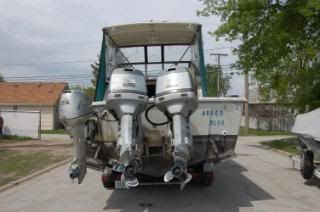
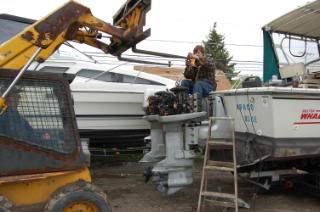
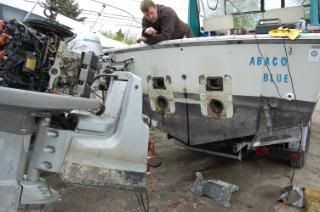
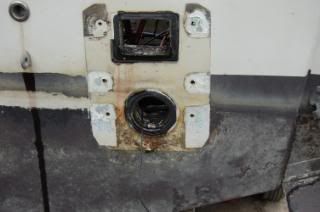
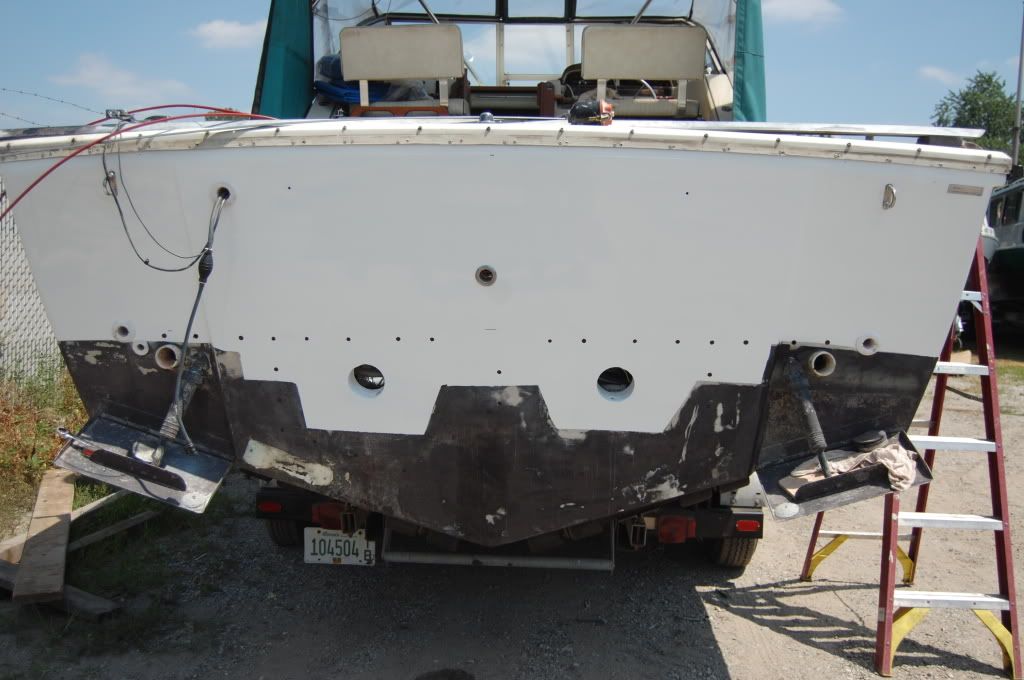
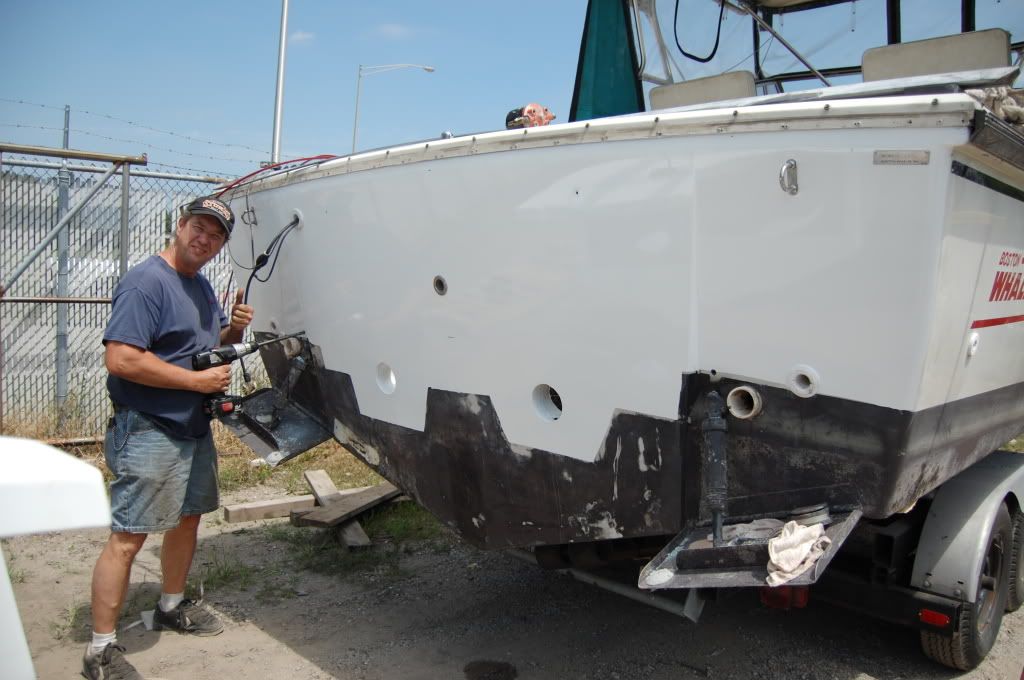
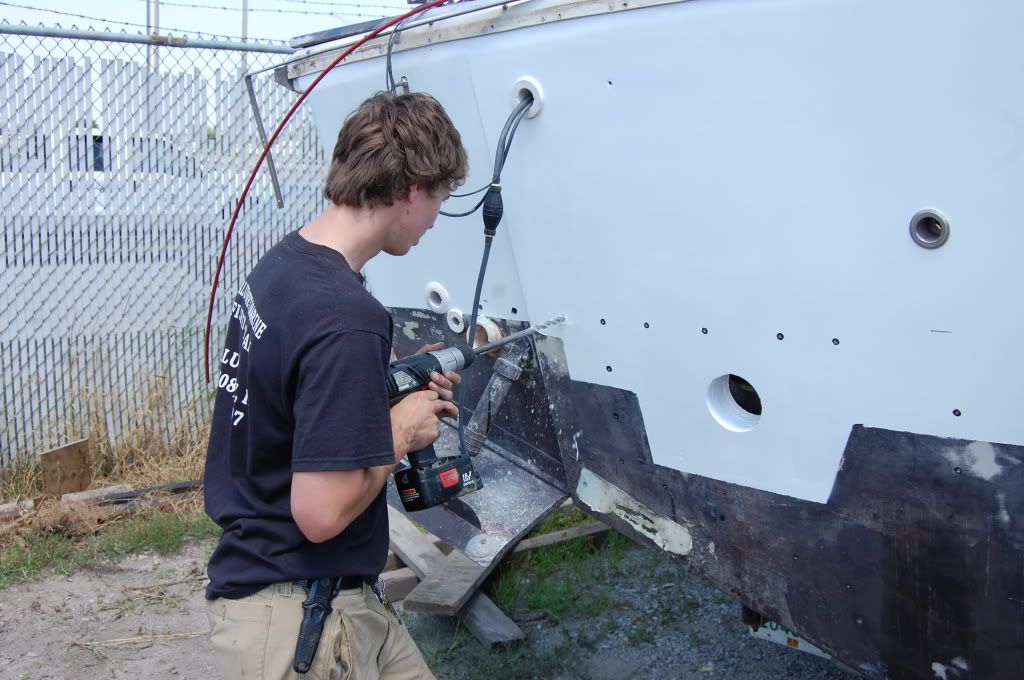
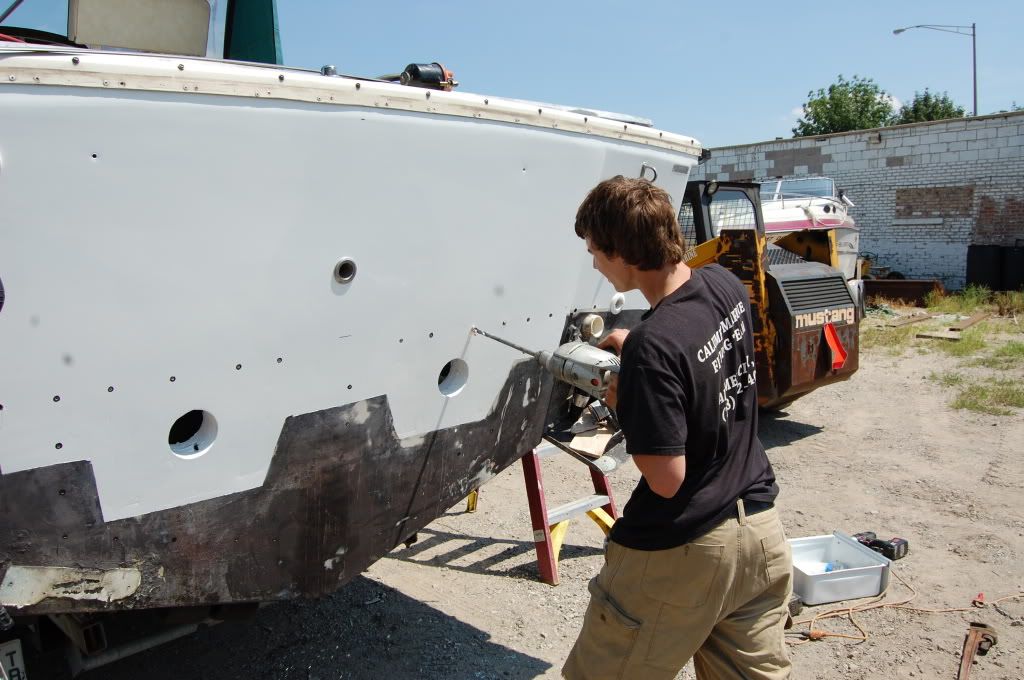
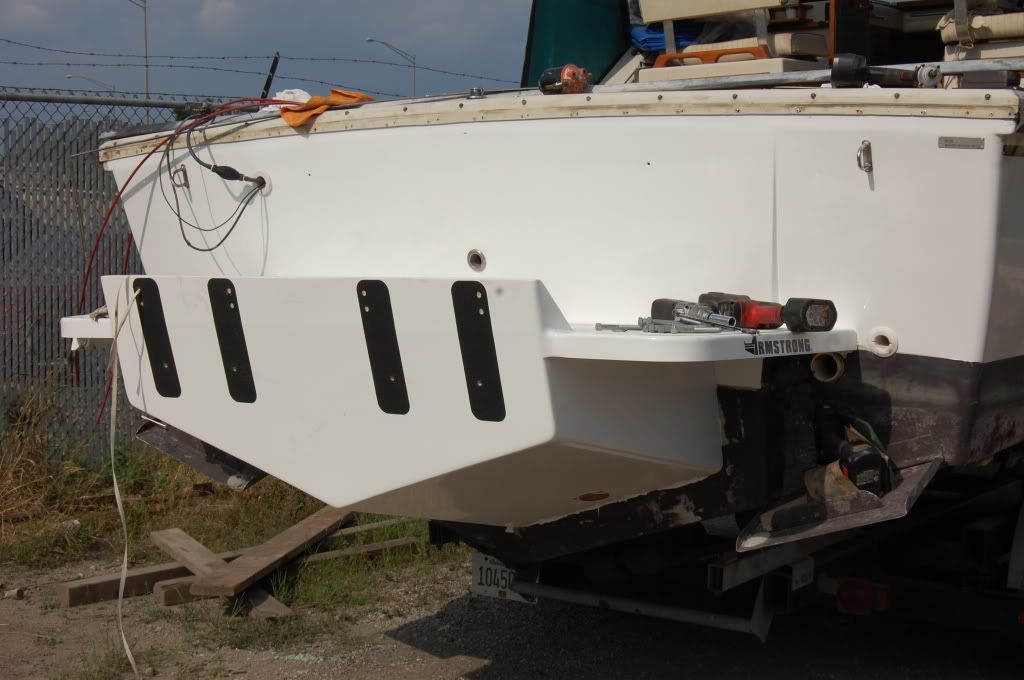
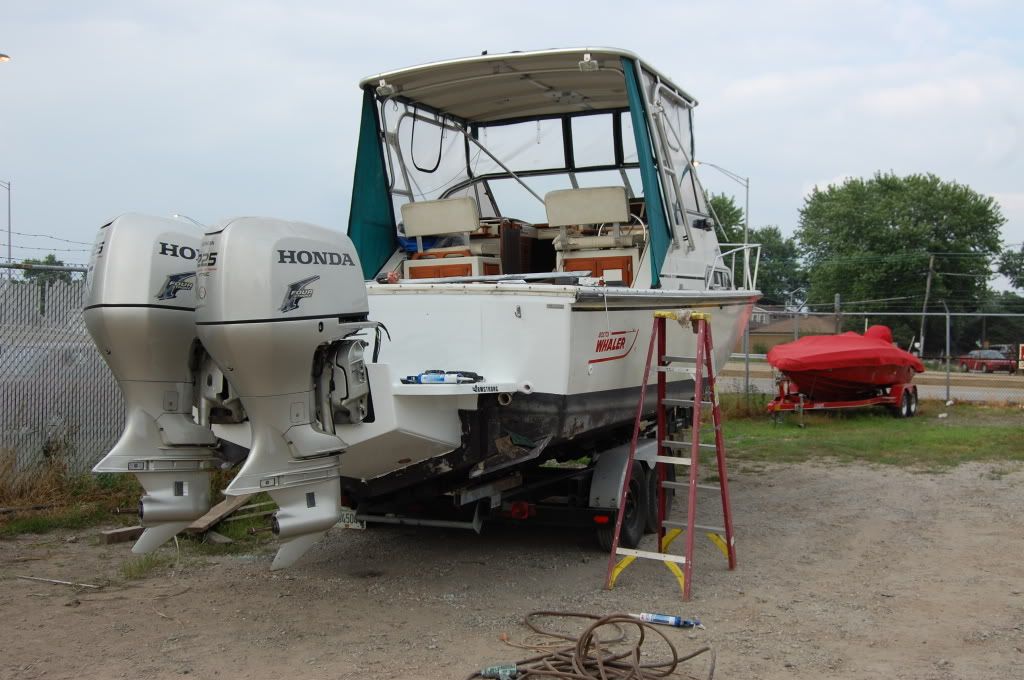
Here is another one we did on an old whaler while i was still there.
He went from old 235hp 2 stroke OMC seadrives to 225 hondas gained about 10mph and makes 5 trips on the same amount of gas.
Its usually not worth it but this guy loved the boat and he to this day considers it $40,000+ well spent.

-
Here is one Frank at Calumet Marine did...

-
I believe that the 18' that they have in stock does have the track on it.
-
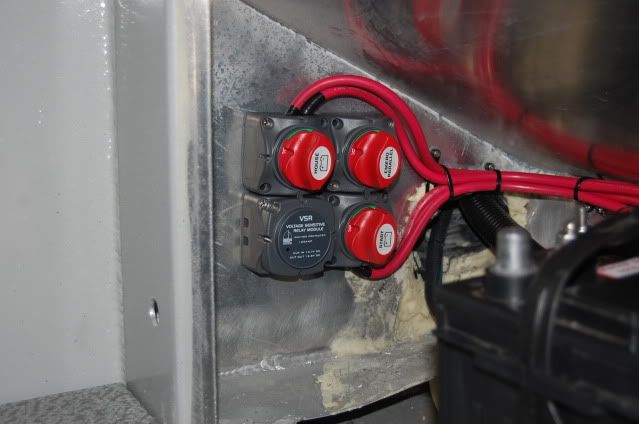
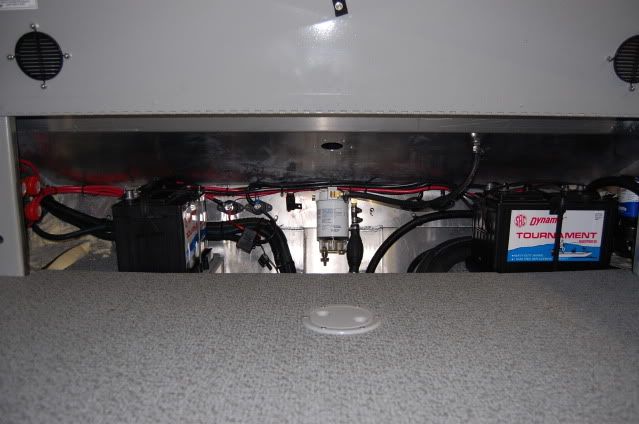
I used them on just about every boat that we rigged at Calumet Marine. I used the pre-assembled panel which made installation really simple and clean looking. The panel that replaces your battery switch is about $150.
I put 2 battery's in 1 starting battery for the motors and one deep cycle for everything else. Once the engines top off the starter nearly 100% of the charging power goes to the other battery but doesn't allow the boat to drain the starter battery.
They make a different panel with dual VSRs for twin applications.
-
Another vote for the Garmin, best pilot on the market.
It's not about bells and whistles which it has it's about performance and keeping you on coarse in adverse conditions which it does best.
Anywhere from $3100-$3400 depending on the quality of installation and the amount of supporting materials you need.
Order your Traxstech rigger HE
in Calumet Marine
Posted
The traxstech downrigger is available for Pre-Order NOW. The first shipments will be arriving anytime now so order yours now because orders will be filled on a first come, first serve basis.
Click below to visit the Calumet Marine online store
https://calumetmarine.3dcartstores.com/Traxstech-Downrigger-_p_420.html